


Shrug Off Shoulder Pain This Fall
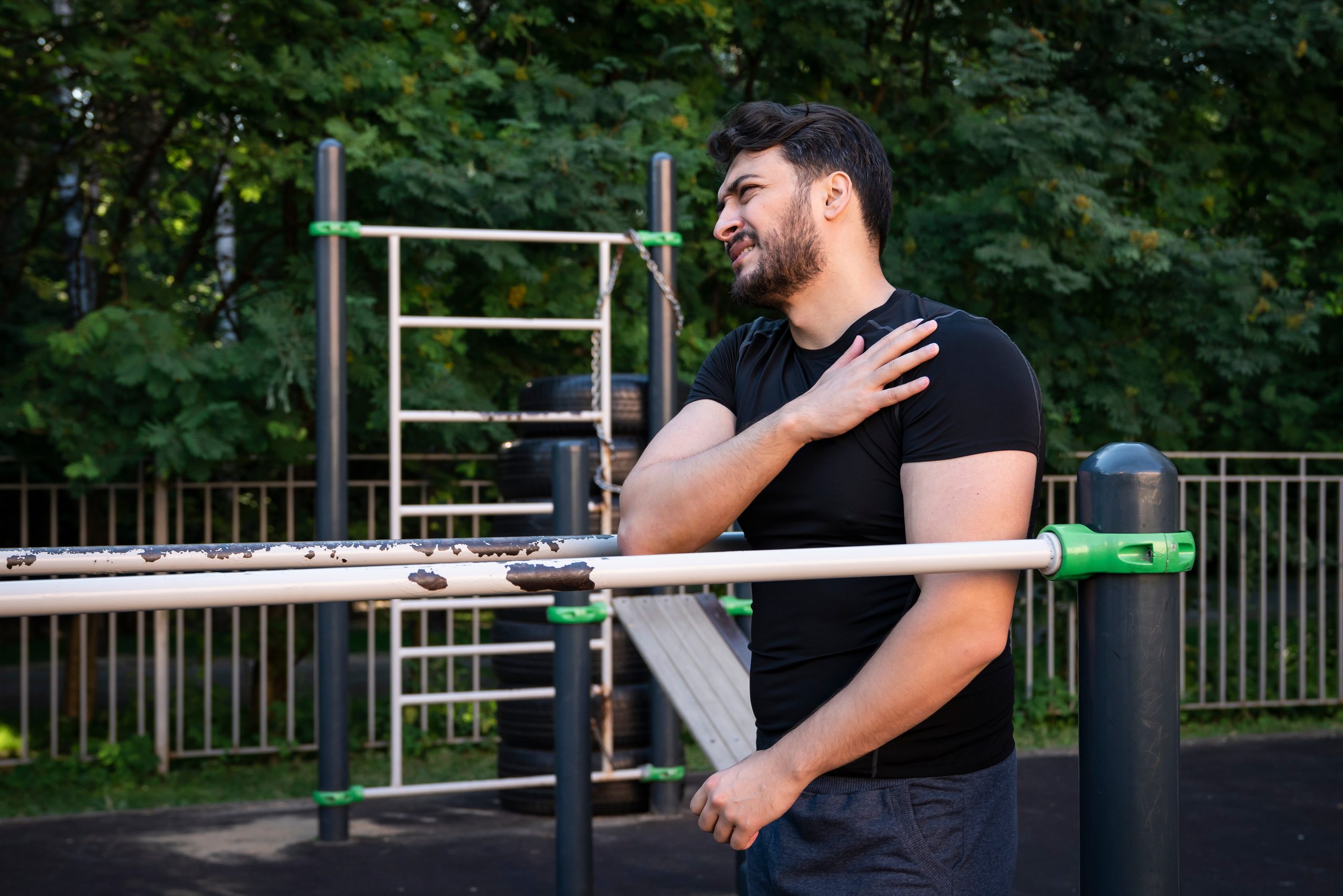
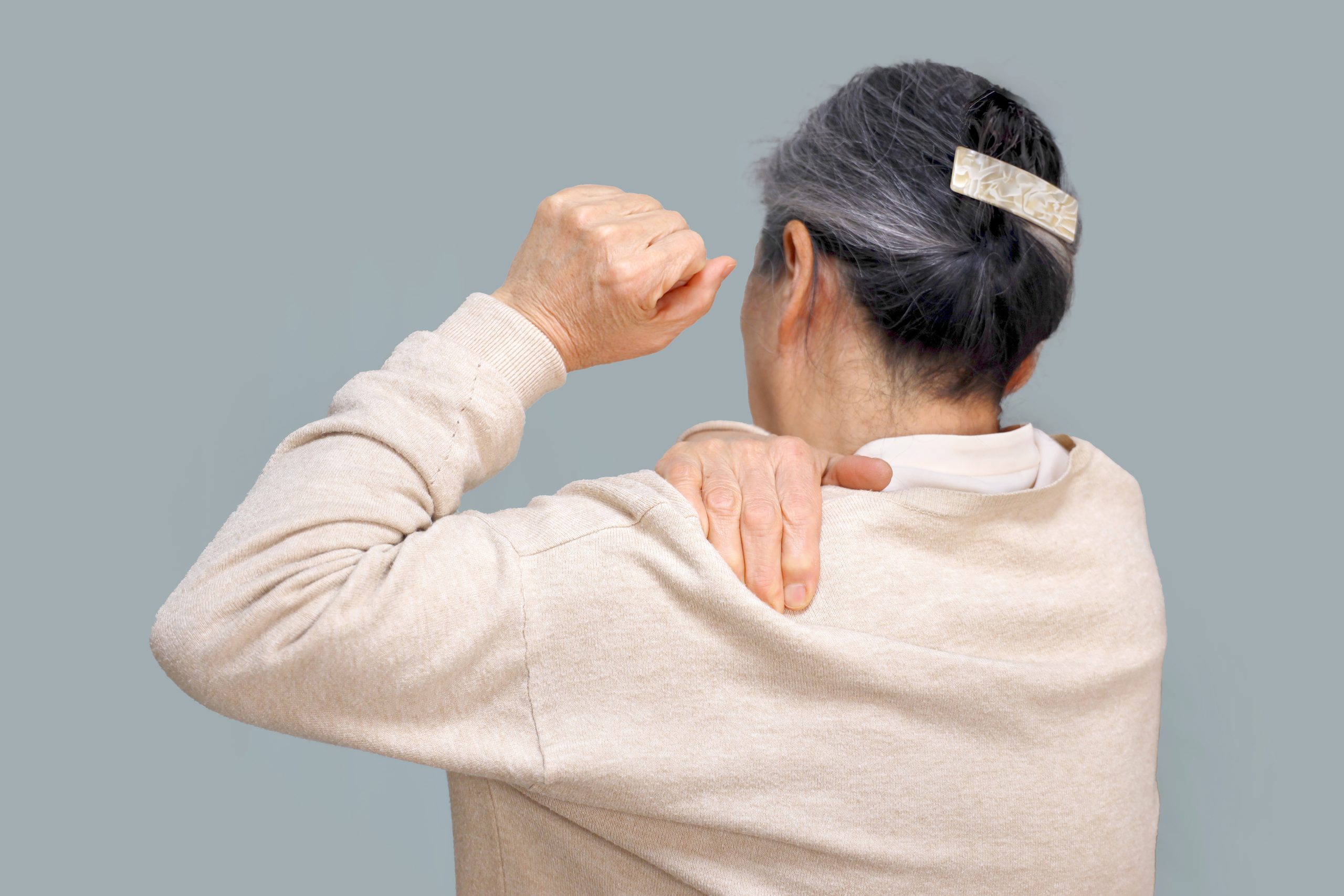
Shoulder pain can make simple movements harder than they should be. Reaching into a cabinet, putting on a jacket, or even just sleeping comfortably can become difficult when your shoulder is irritated. And if you’re physically active, that shoulder pain can keep you from participating in your favorite sports or fall activities!
Fortunately, the team at Darien Physical Therapy Sports & Fitness can help you shrug off shoulder pain so that your body is geared up to enjoy this season. Let’s take a closer look at some of the common causes of shoulder pain and what our physical therapists can do to help.
Why Does My Shoulder Hurt?
Your shoulder is quite complex, and it shouldn’t come as a surprise as to why: it’s also one of the most mobile joints in the body. To achieve that impressive range of motion, the shoulder relies on several joints, muscles, tendons, and other tissues working together to produce and control movement.
But because so many structures contribute to shoulder function, pain can develop for several reasons. Understanding the factors that may be contributing to why your shoulder hurts is the first step in getting the care you need.
A Few Common Sources of Shoulder Pain
Rotator Cuff Injuries
The rotator cuff is a group of muscles and tendons that helps stabilize the shoulder and control arm movement. Strains, tears, and irritation of these tissues can cause pain, weakness, and difficulty reaching or lifting your arm.
Shoulder Impingement
Pain stemming from shoulder impingement can occur when tissues around the shoulder become irritated or sensitive during certain movements. Symptoms are often noticeable when reaching overhead, lifting, or performing repeated arm motions.
Tendinopathy
Repetitive stress or a sudden increase in activity can irritate shoulder tendons, causing pain with lifting, reaching, throwing, or other activities that place greater demands on the shoulder.
Bursitis
Small, fluid-filled sacs called bursae help reduce friction between tissues in the shoulder. When a bursa becomes irritated or inflamed, the shoulder may become painful and sensitive, particularly during certain arm movements.
Arthritis
Osteoarthritis involves changes to the cartilage and other tissues within a joint and becomes more common with age. Rheumatoid arthritis is an inflammatory autoimmune condition that can also affect the shoulder. Both may contribute to pain, stiffness, and reduced mobility.
Frozen Shoulder
Also known as adhesive capsulitis, frozen shoulder causes significant pain and stiffness as the tissues (capsule) surrounding the shoulder joint become restricted. It can develop without an obvious cause or occur after an injury, surgery, or period of limited arm movement.
Pain Referred from the Neck
Shoulder pain doesn’t always originate in the shoulder itself. Irritation of neck structures can sometimes cause pain, tingling, numbness, or other symptoms that radiate into the shoulder or arm.


What to Expect with Physical Therapy
We start with a thorough evaluation to help us understand how well your shoulder moves, which movements reproduce your symptoms, and how your shoulder muscles perform. We might also assess your neck and upper back to ensure we have a complete picture of your shoulder’s function.
Next, we’ll use that information to create a targeted, individualized care plan focused on reducing limitations, improving function, and helping you work toward your personal goals. Treatment will depend on what your evaluation reveals. Typically, this involves a combination of:
- Mobility exercises may help restore comfortable movement when stiffness is limiting your daily activities.
- Progressive strengthening that targets the rotator cuff and muscles surrounding the shoulder blade to improve strength and control.
- Personalized strategies to help you understand which activities may be contributing to your symptoms and how to modify them without unnecessarily giving up the things you enjoy.
As your shoulder improves, your program will progress to match the demands of your daily life, fitness routine, work, or sport. After all, shoulder pain does not look exactly the same from one person to another, so treatment should reflect your symptoms, abilities, and personal goals.
Schedule With Us Today
Tired of living with pain in your shoulder? Whether your shoulder pain appeared suddenly or has gradually become harder to ignore, an individualized assessment can help determine what may be contributing to the problem.
Call our clinic to schedule an appointment with us today!
Sources: https://www.jospt.org/doi/full/10.2519/jospt.2020.8498

Shoulder Pain: What Inflammation Has to Do With It
Understanding Shoulder Inflammation
Your shoulder helps you reach, lift, dress, and sleep comfortably. When it hurts, even small tasks can become frustrating. One contributor to shoulder pain is inflammation. An irritated rotator cuff tendon or an inflamed bursa—the small sac that cushions moving tissues—can make movement painful.
Restoring Movement with Physical Therapy
Inflammation is a normal part of healing, but persistent pain deserves attention. A physical therapist can help identify what is irritating your shoulder and guide you through exercises to restore comfortable movement and strength.
Nutritional Support for Joint Comfort
Nutrition can be another part of a joint care plan. Cartigenix HP® from Designs for Health combines boswellia and celery seed extracts to support a healthy inflammatory response and joint comfort. Although there has not yet been a human clinical study specific to use of Cartigenix HP with shoulder pain, patients completing a clinical study involving people with knee osteoarthritis reported improvements in pain and physical function. In our practice, people with shoulder pain have reported strong results from Cartigenix HP, although that is not a scientific study. We hope to see a shoulder study published soon.
Next Steps for Relief
If shoulder pain is keeping you from activities you enjoy, begin with an evaluation. Physical therapy can address movement and strength; a nutrition professional can help you decide whether Cartigenix HP is appropriate for you, particularly if you take medication or have a medical condition.
Sources: https://orthoinfo.aaos.org/en/diseases–conditions/shoulder-impingementrotator-cuff-tendinitis/?utm_source=chatgpt.com, https://www.designsforhealth.com/products/cartigenix-hp?utm_source=chatgpt.com
Exercise of the Month
Plank
(Core, Shoulders, Glutes)
Start by lying face down on the floor. Place your forearms under your shoulders and push up onto your toes and forearms, keeping your body in a straight line from head to heels. Engage your core and hold the position without letting your hips sag or rise.
3 Sets, 30-Second Hold
(Materials needed: floor mat)
Spicy Creamy Mushroom Udon
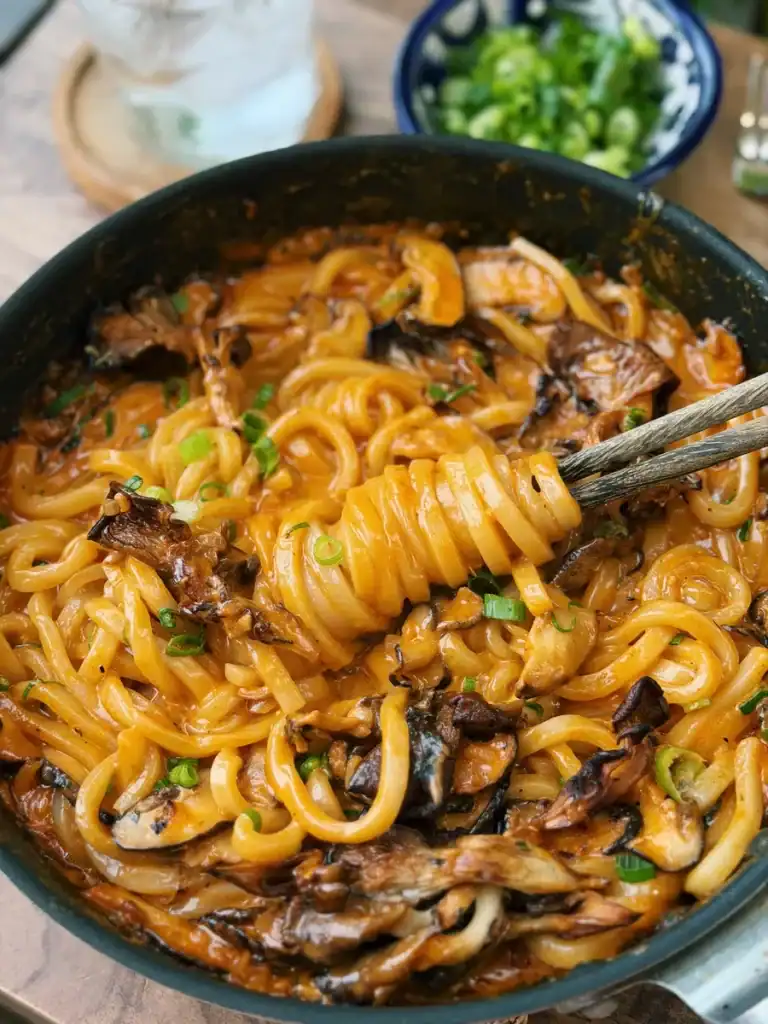
For a spicy, satisfying meal, you have to try this Japanese-Korean fusion bowl! It features udon noodles tossed in a rich, creamy Gochujang Mushroom Sauce and is topped with the crispiest herb-butter-fried oyster mushrooms.
Ingredients:
For the Crispy Oyster Mushrooms:
- 6 oz (170 g) oyster mushrooms, torn into bite-sized pieces
- 1 tbsp butter
- 1 tbsp oil
- 2-3 sprigs fresh thyme
- Salt and black pepper to taste
For the Creamy Spicy Mushroom Udon:
- 2 packs udon noodles (fresh or frozen, about 14–16 oz / 400–450 g total)
- 5-6 fresh shiitake mushrooms, thinly sliced
- 1 large shallot, finely chopped
- 4 cloves garlic, minced
- 1 ½ – 2 tbsp gochujang (Korean red chili paste), adjusting to your spice preference
- 1 cup heavy cream
- ¼ – ½ cup water or chicken/vegetable broth, as needed
- Salt and black pepper to taste
- Green onions, sliced (optional, for garnish)
Make the crispy mushrooms: Heat the butter and oil in a large pan over medium-high heat. Add the oyster mushrooms and thyme, season lightly with salt and black pepper, and pan-fry for 4–5 minutes. Stir occasionally until they are golden brown and crispy around the edges. Remove from the pan and set aside.
Build the sauce: In the same pan, add the chopped shallot, minced garlic, and sliced shiitake mushrooms. Sauté over medium heat for 3–4 minutes, until the shallots soften and the mushrooms turn lightly golden.
Make it creamy and spicy: Add the gochujang and stir for about 30 seconds to toast the paste. Pour in the heavy cream and ¼ cup of your water or broth. Mix until the gochujang is fully incorporated and the sauce is smooth.
Add the udon: Place the udon noodles directly into the sauce. Turn the heat up to high and cook for 2–3 minutes, tossing constantly until the noodles separate and are completely coated in the creamy sauce. (Note: If the sauce becomes too thick, add another splash of water or broth.)
Garnish and serve: Taste the sauce and adjust the salt and black pepper if needed. Divide the noodles between two bowls and top generously with the crispy oyster mushrooms and sliced green onions.
Leave us a Google Review
Would you take a moment to share your Darien Physical Therapy experience on our Google Review page? We make it easy: just click below! Your success story could help improve the lives of others in our community by leading them to PT!