



Is Your Sacroiliac Joint Causing Your Lower Back Pain?
One of the reasons back pain is such a common medical complaint (most people will experience it at least once in their lives) is because it has so many different potential causes. Most people are familiar with the common ones, like a strained back muscle or a herniated disc.
But sometimes, back pain isn’t really back pain–at least not how we generally conceive it. While you might experience pain or discomfort in your lower back, the actual source of the pain might be a little lower, in your sacroiliac joint.
At Darien Physical Therapy, our team of physical therapists understands that the best way to resolve back pain is to determine where that pain is coming from. Thanks to our comprehensive assessments, we can help you determine if your lower back pain is actually a symptom of problems with your sacroiliac joint –and then provide you with a targeted treatment to help resolve it.
Exercise of the Month
Lower Trunk Rotations
(Lower Back, Core)
Start by lying face up on the floor with your knees bent. Allow your knees to slowly drop to one side. Your lower back should rotate, but your shoulders should stay flat on the ground. Hold for 30 seconds. Bring your knees back up and then drop them to the opposite side. 2 Sets, 2 Reps.
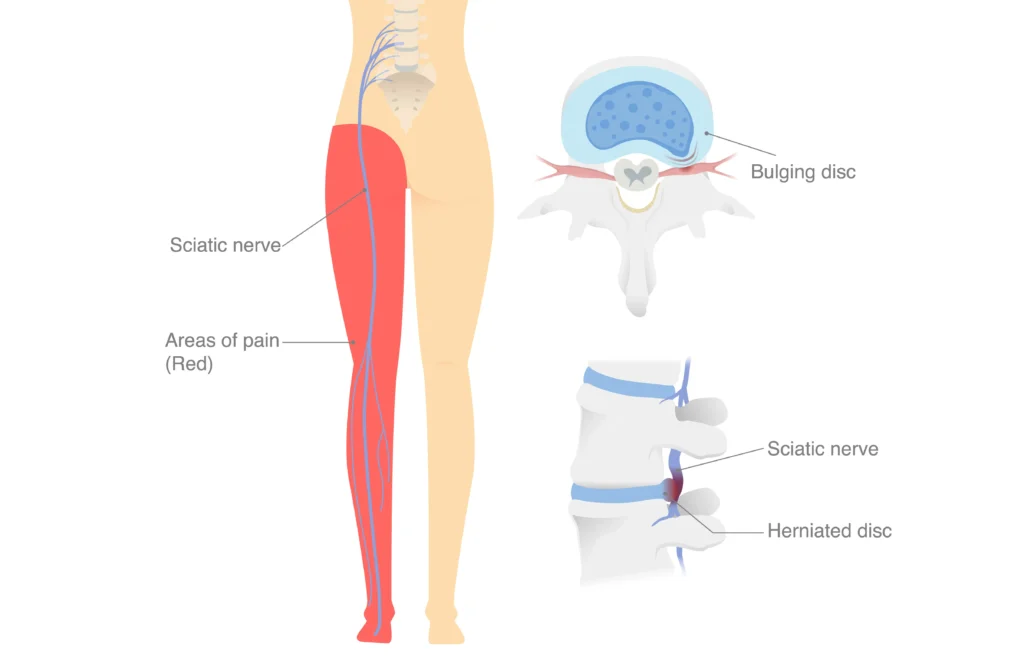
The Sacroiliac Joint: What It Is and What Can Go Wrong
The sacroiliac (SI) joint connects your spine to your pelvis. You have two of them, one on each side. They’re connected to the sacrum, a small triangular bone at the base of your spine.
The SI joints allow you to transfer weight between your upper and lower body. However, the joints themselves don’t move all that much, and they’re located fairly deep in your pelvic structure, surrounded by strong ligaments and muscles.
There are two reasons why your sacroiliac joint might cause your pain:
- Sacroiliac joint dysfunction occurs due to biomechanical issues in your SI joint. It’s particularly common during pregnancy, as the sacroiliac joint is “loosened up” in preparation for childbirth (hypermobility). However, an overly restricted sacroiliac joint can also cause issues (hypomobility).
- Sacroiliitis refers to an SI joint inflammation due to osteoarthritis, hormonal changes during pregnancy, or injury.
Both conditions can cause similar symptoms. The biggest difference between the two is the presence of inflammation, as there are no inflammatory processes with SI joint dysfunction.
Issues with Your SI Joint? How to Tell
It can be difficult to determine if you’re struggling with SI joint issues or lower back pain, as they can cause similar symptoms. If you’re struggling with any pain or discomfort in your back or buttocks, your best bet is to schedule an appointment with our physical therapists. We can help you get to the bottom of things.
That said, here are some of the common signs of SI joint issues:
- You experience pain directly over your buttocks.
- The pain seems to stem from deep inside your body.
- You’ll notice pain when sitting, lying down, or climbing stairs. In fact, you may have trouble sitting for long periods due to the pain.

Treating SI Joint Pain: What To Expect
We’ll begin with a comprehensive physical exam to help us determine the exact source of your pain, including confirming if the SI joint is involved at all. Once we understand your unique situation, our experts will develop your customized treatment program. Here’s what you might expect:
- Pain Management: We’ll find a solution that suits your needs. Spinal mobilizations and other manual therapy techniques can help if your pain stems from immobility. Hot and cold therapy can help manage pain and inflammation.
- Mobility Exercises: If applicable, we can guide you through targeted exercises to improve the flexibility and mobility in your SI joint.
- Strengthening Exercises: One of the best ways to address SI pain is to strengthen your core and gluteus muscles, both of which support and stabilize the SI joint. Our therapists will develop an exercise program appropriate to your needs and ensure you perform all exercises correctly.
- Prevention Tips: Finally, we’ll work with you to help you adopt a physically active lifestyle, which can help reduce and prevent SI dysfunction.
Sources: https://www.physio-pedia.com/Sacroiliac_Joint_Syndrome, https://www.physio-pedia.com/Sacroiliitis, https://www.ncbi.nlm.nih.gov/books/NBK470299/
What’s Causing Your Back Pain?
You don’t have to put up with persistent pain, whether it’s in your back, buttocks, or radiating down your leg! The physical therapists at Darien Physical Therapy will dig down deep to determine the underlying source of your pain, no matter what it is.

Restore Your Spark: Support a Healthy Inflammatory Response Naturally
By Christine Updegraff, MS – CEO, Bellwether Wellness
Do you remember what it felt like to move through your day without that constant ache, twinge, or stiffness in the background?
Many of us chalk up discomfort to aging, stress, or “just how things are”—but it doesn’t have to be that way. At Bellwether Wellness, we help clients take a proactive approach to optimizing their body’s natural inflammation response, which can play a powerful role in restoring a vibrant, pain-free lifestyle.
Inflammation is your body’s natural defense mechanism—but when it sticks around too long, it can quietly contribute to everything from joint discomfort to low energy. The good news? Nutritional strategies, metabolic balance, and lifestyle choices can make a big difference in how your body responds.
We focus on supporting what your body already knows how to do—restore, rebuild, and rebalance. That might mean fine-tuning your omega-3 intake, identifying hidden food triggers, optimizing blood sugar, or exploring supplement protocols that promote a healthy inflammatory response. It’s not about treating a symptom—it’s about helping you feel your best, from the inside out.
If you’re working hard in physical therapy to regain strength or mobility, don’t overlook the role nutrition and metabolism play in recovery. When your body is in balance, healing feels less like an uphill battle—and more like progress you can feel.
Want to learn more about how we support pain-free living through personalized nutrition? Let’s talk. Your spark is worth getting back.
Stop by the front desk, call 203-309-0045, or visit www.bellwetherwellness.com to book an appointment.

Feel Better by Eating Better!
Vegan Peanut Butter Cookies
- 1 cup creamy natural peanut butter
- 1/2 cup maple syrup, or honey
- 1 teaspoon vanilla
- 1 cup almond flour
- flaked sea salt for topping, if desired
Preheat oven to 350 degrees F and line a baking sheet with parchment paper. Add peanut butter, maple syrup, and vanilla into a mixing bowl. Once combined, add in almond flour and stir until incorporated. Use a medium cookie scoop to scoop dough onto a prepared baking sheet. Alternatively, you can scoop the dough with a spoon and roll it into a ball. Flatten each dough ball with a fork, making a crisscross pattern, and sprinkle a little flaked sea salt on top of each cookie. Bake in a preheated oven for about 12 minutes or until cookies begin to brown. Remove from oven, allow cookies to cool on a wire rack, and enjoy.