


Strength Training Helps You with Osteoporosis
Create Your Own Path To Stronger Bones
Do you ever find yourself worrying about your bone health? Perhaps a family member has been diagnosed with osteoporosis, or maybe you’ve noticed a slight decrease in your height or stooped-over posture. It’s natural to feel concerned, but the good news is that there are effective ways to manage and even improve bone health. One such method that is gaining increasing recognition is strength training with physical therapy.
The Connection Between Osteoporosis and Strength Training
Osteoporosis is a condition characterized by decreased bone mass and density, leading to increased bone fragility and a higher risk of fractures. It affects millions of people worldwide, particularly women after menopause.
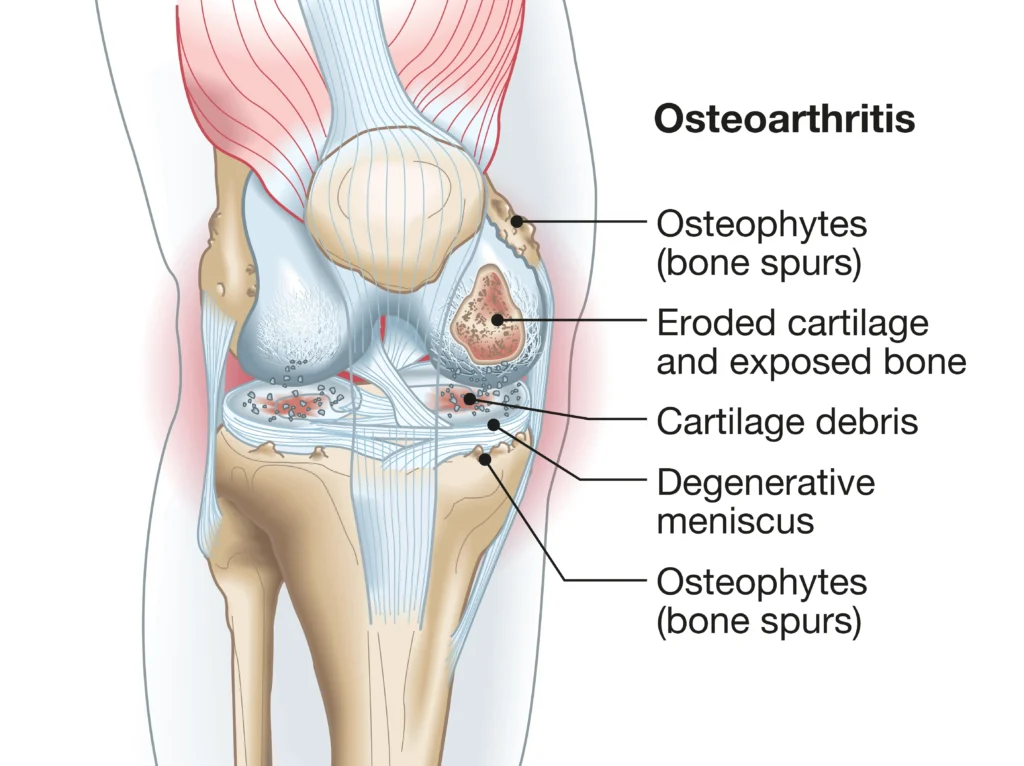
Causes of Osteoporosis
The causes of osteoporosis are complex and multifaceted and often include the following:
- Hormonal Changes
- Age
- Genetics
- Gender
Risk Factors
- Family history of osteoporosis
- Low calcium intake
- Vitamin D deficiency
- Smoking
- Excessive alcohol consumption
- Sedentary lifestyle
Symptoms
Osteoporosis can remain asymptomatic until a fracture occurs. However, there may be subtle signs, such as:
- Gradual height loss
- Stooped posture
- Increased susceptibility to fractures, even from minor falls
If you suspect you may have osteoporosis or are at risk, it’s crucial to seek medical evaluation and guidance.
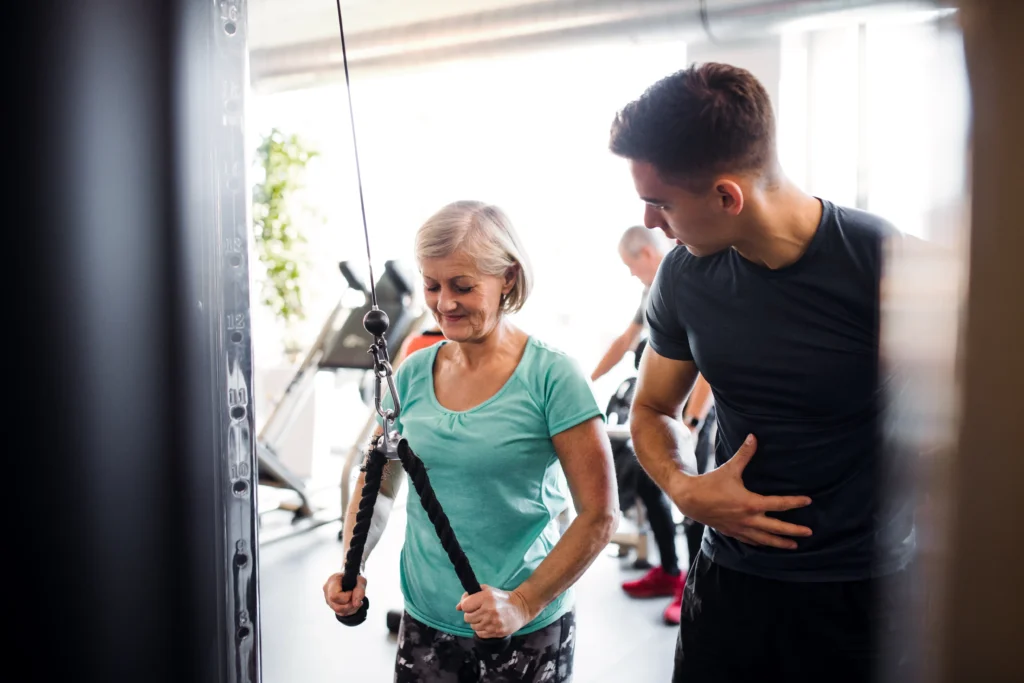
Strength training with physical therapy techniques involves using weights, resistance bands, or body weight to challenge your muscles and bones. When you engage in strength training exercises, you create a mechanical load on your bones, stimulating bone cells called osteoblasts to build new bone tissue, which increases bone mass and strength. Furthermore, strength training improves muscle mass and balance, which helps reduce the risk of falls and fractures.
Exercise of the Month
Seated Leg Extension
Sit in a sturdy chair with your back straight. Slowly straighten one leg out in front of you, hold briefly, then lower it back down. Alternate legs to strengthen your thighs and improve knee function.
Personalized Strength Training Program For Osteoporosis
A 75-year-old woman came to our clinic after being diagnosed with osteoporosis. She had a noticeable decrease in her height and a family history of osteoporosis. She was anxious about the possibility of fractures and falls and was eager to find ways to improve her bone health.
Our physical therapists worked with her to develop a comprehensive strength training program. She started with low-impact exercises using resistance bands and gradually progressed to using weights and bodyweight exercises. Her program focused on strengthening her hips, spine, and core muscles, improving her posture, and increasing her overall strength and balance.
Over time, she noticed significant improvements in her strength and posture and also felt more confident and empowered. Strength training helped to improve her physical health and left a positive impact on her mental and emotional well-being.
Strength Training For Osteoporosis at Darien Physical Therapy
Incorporating strength training into a physical therapy program with our dedicated professionals is a safe and effective way to manage osteoporosis. We will conduct a thorough assessment, considering your medical history, current symptoms, and fitness level. Then we’ll design a personalized exercise program that targets specific muscle groups, focuses on proper form and technique, and gradually progresses in intensity as your strength and endurance improve.
Remember, it’s never too late to take control of your bone health. Call us today to schedule an appointment and start building a stronger, healthier you!

Stronger Bones Start In The Kitchen: Nutrition Strategy For Osteoporosis
By Christine Updegraff, MS
When it comes to osteoporosis, calcium gets all the attention—but bone health is about much more than supplements. Bone is living tissue, constantly breaking down and rebuilding. What you eat can either support or sabotage that process.
Yes, calcium is essential—but it needs partners. Vitamin D helps your body absorb calcium. Magnesium activates vitamin D, and vitamin K2 makes sure calcium goes to your bones, not your arteries. Protein also plays a key role by supporting the collagen structure that gives bones strength and flexibility.
At the same time, certain habits work against you. Diets high in added sugar, salt, caffeine, alcohol, and soft drinks can leach minerals from your bones and increase inflammation—accelerating bone loss over time.
Chronic inflammation is a silent contributor to osteoporosis. It activates cells that break down bone faster than your body can rebuild it. Anti-inflammatory foods—like leafy greens, berries, salmon, nuts, and seeds—help tip the balance in your favor. And because gut health affects nutrient absorption, fiber and probiotics matter too.
What does a bone-smart plate look like? Think salmon, sautéed greens, sweet potatoes, and a glass of calcium-fortified almond milk—with fermented veggies on the side. Simple. Delicious. Strategic.
Nutrition is the foundation. Physical therapy builds strength and balance. Together, they protect your mobility and independence for years to come.
Want a personalized bone-boosting nutrition plan?
Book an appointment with Bellwether Wellness today—we’ll build a customized strategy that helps you protect your bones and support your long-term strength and mobility.
Stop by the front desk, call 203-309-0045, or visit www.bellwetherwellness.com to book an appointment.

Pineapple Green Smoothie
- 1/2 cup unsweetened almond milk
- 1/3 cup nonfat plain Greek yogurt
- 1 cup baby spinach
- 1 cup frozen banana slices
- 1/2 cup frozen pineapple chunks
- 1 tablespoon chia seeds
- 1-2 teaspoons pure maple syrup or honey (optional)
Add almond milk and yogurt to a blender, then add spinach, banana, pineapple, chia seeds, and sweetener (if using); blend until smooth.